Source washed cute stuffed plush toys for gifts, decor, and play
Compare 19 listings of washed cute stuffed plush toys from verified Chinese manufacturers. Buyers can evaluate customization options, certifications like CE and ASTM, and production timelines ranging from 3 to 20 days for bulk orders; compare the available evidence and request quotations based on your requirements.
Key considerations
Products List




Comprehensive Sourcing Guide
Washed Cute Stuffed Plush Toys Sourcing Guide
Sourcing washed plush toys requires a nuanced understanding of material processing and safety compliance, particularly when targeting sensitive demographics. The term "washed" often implies a specific texture finish, such as minky or short-pile cotton, which enhances softness but may alter durability compared to standard synthetic fibers. Buyers must distinguish between products marketed as "soft comfortable" and those requiring specific care instructions, as some items explicitly state "do not wash" despite their appearance. This distinction is critical for defining the end-user experience and managing post-purchase expectations. Procurement teams should prioritize suppliers who provide clear material specifications, such as cotton blends, to ensure the tactile quality matches the "cute" aesthetic demanded by modern consumers.
The market for these items spans various age groups, from infants under three months to children over eight years, necessitating strict adherence to age-specific safety standards. Listings often feature customization options, allowing buyers to tailor colors, sizes, and even modeling sources to match brand identity. However, the presence of electronic interaction features in some plush toys introduces additional complexity, requiring verification of battery safety and light-change mechanisms. Buyers must carefully segment their requirements, as a single supplier may offer both simple stuffed animals and complex interactive dolls. Understanding these variations helps in selecting the right partner for specific product lines, whether focusing on traditional teddy bears or modern, tech-integrated plush companions.
Product Scope and Observed Listing Signals
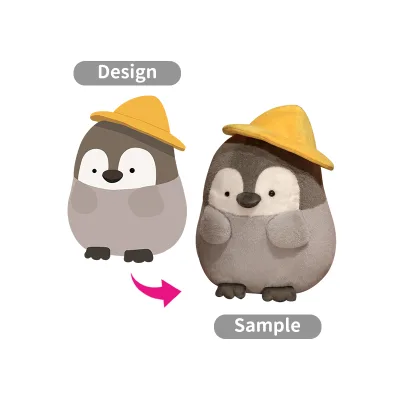
The observed product range includes customized plush dolls, interactive toys with light changes, and traditional sitting animal styles like teddy bears. Listings indicate a wide variety of specifications, from large-sized cotton toys to short plush lengths, catering to diverse aesthetic preferences. The "washed" attribute is often associated with a soft, comfortable feel, which is a key selling point for gift-oriented purchases. Buyers should note that some products are hand-made, while others are machine-produced, impacting consistency and lead times. The availability of OEM/ODM services suggests that many suppliers can accommodate custom designs, logos, and packaging, making them suitable for private label opportunities.
Price points observed in the market range from $0.5 to $9, reflecting the diversity in materials, complexity, and order quantities. Minimum order quantities (MOQs) vary significantly, with some suppliers accepting orders as low as one piece for samples, while others require bulk commitments of up to 10,000 pieces. This variance allows buyers to test the market with small batches before scaling up. The packaging options also differ, with some items boxed and others packed in polybags, which affects shipping costs and retail presentation. Understanding these signals helps buyers align their procurement strategy with their inventory capacity and target market price points, ensuring a balanced approach to risk and investment.
Technical Specifications to Verify
Verifying technical specifications is crucial for ensuring product quality and consistency. Buyers should confirm the exact material composition, such as cotton or synthetic blends, as this affects both the tactile experience and cleaning requirements. For "washed" plush toys, the pile length and density should be specified to ensure the desired softness and durability. Additionally, the presence of electronic components, such as those found in interactive toys, requires verification of battery type, safety certifications, and functionality, including light changes or sound features. Buyers must also check the production method, whether hand-made or machine-produced, as this impacts the uniformity of the final product.
Packaging and labeling details are equally important for logistics and retail readiness. Specifications such as carton quantities, individual packaging methods, and custom label options should be clearly defined. For instance, some products are packed 30-40 pieces per carton, while others are individually polybagged. Buyers should also verify the sample time, which typically ranges from 3 to 7 working days, and the production time, which can take about 20 days or more depending on order quantity. Confirming these details early in the sourcing process helps in planning inventory levels and managing customer expectations, ensuring a smooth supply chain operation from order placement to delivery.
Compliance and Safety Documentation
Compliance with international safety standards is non-negotiable for plush toys, especially those intended for young children. Buyers must verify that suppliers hold relevant certifications such as CE, EN71, ASTM, CPSIA, and REACH, which are commonly listed for these products. These certifications ensure that the toys meet strict requirements for physical and mechanical properties, flammability, and chemical safety. For interactive toys, additional checks on electrical safety and battery compliance are necessary. Buyers should request copies of these certificates and verify their validity with the issuing bodies to avoid potential legal issues and product recalls.
Beyond certifications, buyers should inquire about factory audits and quality control processes. Certifications like BSCI and ISO9001 indicate a supplier's commitment to ethical labor practices and consistent quality management. Additionally, test reports from recognized laboratories, such as BV, provide further assurance of product safety. Buyers should also check if the supplier conducts internal tests according to ASTM or EN71 standards. Understanding the supplier's compliance framework helps in mitigating risks associated with product liability and ensures that the plush toys meet the regulatory requirements of the target market, protecting both the brand and the end consumer.
Cost Drivers and Commercial Terms
Several factors influence the cost of washed cute stuffed plush toys, including material quality, customization complexity, and order volume. High-quality materials like cotton and intricate hand-made details typically command higher prices compared to standard machine-produced items. Customization options, such as unique logos, packaging, and specific modeling sources, add to the production cost. Buyers should negotiate clear pricing structures that account for these variables, ensuring transparency in cost breakdowns. Additionally, the MOQ plays a significant role in pricing, with lower MOQs often resulting in higher per-unit costs. Understanding these drivers helps buyers make informed decisions about budget allocation and product positioning.
Commercial terms, including payment methods, shipping arrangements, and return policies, are critical for managing cash flow and operational efficiency. Buyers should clarify the sample time and production lead times, which can vary based on order quantity and customization requirements. For instance, production time is typically around 20 days but may extend for larger orders. It is also important to discuss packaging options, as boxed items may incur higher shipping costs compared to polybagged ones. Establishing clear commercial terms early in the negotiation process helps in avoiding misunderstandings and ensures a smooth transaction, allowing buyers to focus on marketing and sales strategies rather than logistical hurdles.
Supplier Qualification and Quality Control
Selecting the right supplier involves a thorough evaluation of their capabilities, reputation, and quality control processes. Buyers should prioritize suppliers with a proven track record in producing plush toys, particularly those with experience in customization and compliance. Checking for certifications like BSCI and ISO9001 can provide insights into the supplier's ethical and operational standards. Additionally, requesting references or case studies from previous clients can help assess the supplier's reliability and product quality. Buyers should also verify the supplier's ability to handle large orders efficiently, ensuring they can meet production deadlines without compromising on quality.
Quality control measures should be clearly defined and agreed upon before placing orders. This includes specifying inspection criteria for materials, stitching, and final product appearance. Buyers may consider hiring third-party inspection services to conduct pre-shipment inspections, ensuring that the products meet the agreed-upon standards. It is also important to establish a clear communication channel with the supplier for addressing any issues that arise during production. By implementing robust quality control practices, buyers can minimize the risk of receiving defective products and maintain a high level of customer satisfaction, protecting their brand reputation in the competitive plush toy market.
Long-Term Procurement Checks
Establishing long-term relationships with suppliers requires ongoing monitoring and evaluation of performance metrics. Buyers should regularly review key performance indicators such as on-time delivery rates, product quality consistency, and responsiveness to issues. Maintaining open communication with suppliers helps in addressing any emerging challenges promptly and fosters a collaborative partnership. Additionally, buyers should stay updated on changes in safety regulations and market trends, ensuring that their product offerings remain compliant and relevant. Regular audits of supplier facilities can also help in identifying areas for improvement and ensuring continued adherence to ethical and quality standards.
As the market evolves, buyers should consider diversifying their supplier base to mitigate risks associated with single-source dependencies. Exploring new suppliers with different specializations, such as interactive toys or eco-friendly materials, can provide opportunities for innovation and growth. It is also important to continuously assess the cost-effectiveness of current suppliers, negotiating better terms as order volumes increase. By adopting a proactive approach to supplier management, buyers can build a resilient supply chain that supports their business objectives and adapts to changing market conditions, ensuring long-term success in the plush toy industry.
FAQs
Can I customize the logo on these plush toys?
Yes, customers can provide their own logo for customization on these products. The label or hang tag can also be customized to match your brand requirements. This service is available alongside other customization options like modeling source and weight adjustments for your specific needs.
What certifications do these plush toys hold?
These products hold multiple safety certifications including CE, En71, ASTM, Cpsia, and Reach. Additionally, the factory maintains BSCI and ISO9001 certificates. These standards ensure the toys meet international safety requirements for children and general use across different global markets.
How long does production take for custom orders?
Production time is about 20 days or according to the specific order quantity. Sample time is shorter, taking approximately 3 to 7 working days. This timeline allows for customization of the product name, weight, and modeling source before final manufacturing begins.
What is the minimum order quantity for these toys?
The minimum order quantity varies, with observed ranges from 1 to 1000 units depending on the specific product model. Some listings indicate an MOQ of 10000 or 1000 pieces. Buyers should confirm the exact requirement based on the selected model and customization level.
Are these toys suitable for infants under three months?
Yes, specific models are designed for infants aged 0 to 3 months. These toys feature soft and comfortable attributes suitable for young children. However, cleaning instructions state not to wash them, so care must be taken to maintain hygiene without water exposure.
Can I get OEM or ODM services for these products?
Yes, OEM and ODM services are available for these plush toys. Buyers can request custom modeling sources, weights, and technical specifications. The factory supports machine production or hand-made techniques depending on the specific design requirements and order volume.
What is the packaging method for these plush toys?
Packaging options include boxed units or individual polybags. Some items are packed at 30 to 40 pieces per carton, while others come as one piece per polybag. The specific packing method depends on the product model and the agreed order quantity with the supplier.